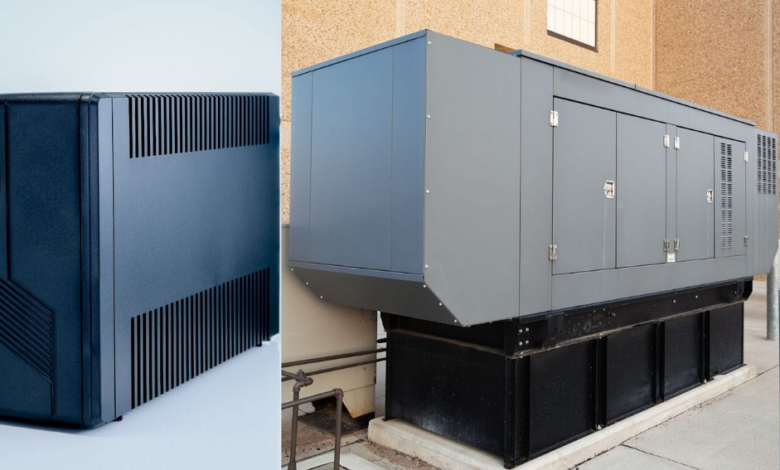
In today’s technology-driven world, uninterrupted electrical power is essential for businesses, industries, healthcare facilities, data centers, and even residential environments. Power disruptions, voltage fluctuations, and sudden outages can lead to data loss, equipment damage, safety risks, and costly downtime. This is where uninterruptible power supply systems play a critical role. These systems ensure continuous power delivery, protecting sensitive equipment and maintaining operational stability when the main power source fails.
What Are Uninterruptible Power Supply Systems?
Uninterruptible power supply systems, commonly known as UPS systems, are electrical devices designed to provide immediate backup power when the primary power source becomes unavailable or unstable. Unlike generators, which take time to start, UPS systems respond instantly, delivering seamless power without interruption. They also regulate voltage, filter electrical noise, and protect connected devices from power anomalies.
UPS systems are widely used in environments where even a brief power disruption can cause significant damage, such as data centers, hospitals, manufacturing plants, telecommunication networks, and financial institutions.
See also: Does Verizon Home Internet Have Data Caps: Verizon Home Internet Data Cap Information
How Uninterruptible Power Supply Systems Work
Uninterruptible power supply systems operate by continuously monitoring incoming electrical power. Under normal conditions, they supply regulated power to connected equipment while charging their internal batteries. When a power failure or voltage irregularity occurs, the system instantly switches to battery power or an alternative energy source, ensuring uninterrupted operation.
Once the main power supply is restored, the UPS system transfers the load back to utility power and recharges the batteries, maintaining readiness for future outages.
Types of Uninterruptible Power Supply Systems
Different applications require different levels of power protection. Uninterruptible power supply systems are generally classified into three main types.
Standby UPS Systems
Standby UPS systems are commonly used for personal computers, home offices, and small electronic devices. Under normal conditions, power flows directly from the utility source. When a power outage occurs, the UPS switches to battery power within milliseconds. These systems offer basic protection against power interruptions and minor voltage fluctuations.
Line-Interactive UPS Systems
Line-interactive UPS systems provide enhanced protection by actively regulating voltage fluctuations without switching to battery power. They are ideal for small businesses, network equipment, and servers where voltage instability is frequent. These systems extend battery life while offering reliable backup power.
Online Double-Conversion UPS Systems
Online uninterruptible power supply systems provide the highest level of power protection. They continuously convert incoming AC power to DC and then back to AC, ensuring a clean and stable output at all times. Since connected equipment always runs on conditioned power, there is no transfer time during outages. These systems are essential for mission-critical applications such as data centers, medical equipment, and industrial automation.
Key Components of Uninterruptible Power Supply Systems
Understanding the core components helps explain how UPS systems deliver reliable power protection.
Batteries store energy and provide backup power during outages. Inverters convert DC battery power into AC power suitable for connected devices. Rectifiers convert incoming AC power into DC power to charge the batteries. Static switches manage the seamless transfer between power sources. Control circuits monitor performance, detect faults, and ensure efficient operation.
Each component works together to maintain power continuity and protect sensitive equipment.
Benefits of Uninterruptible Power Supply Systems
Uninterruptible power supply systems offer numerous advantages that make them essential across industries.
They prevent data loss by allowing systems to remain operational during power interruptions. They protect sensitive electronics from voltage spikes, surges, and electrical noise. They minimize downtime, ensuring business continuity and productivity. They enhance equipment lifespan by delivering stable and clean power. They provide time for safe system shutdowns during extended outages, reducing the risk of corruption or hardware damage.
Applications of Uninterruptible Power Supply Systems
UPS systems are used across a wide range of industries and environments.
In data centers, they ensure continuous server operation and protect critical data. In healthcare facilities, they support life-saving equipment and medical systems. In manufacturing, they prevent production losses caused by sudden shutdowns. In telecommunications, they maintain network connectivity and communication reliability. In financial institutions, they protect transaction systems and sensitive records. Residential users also rely on UPS systems for home offices, security systems, and smart devices.
Choosing the Right Uninterruptible Power Supply System
Selecting the right UPS system requires careful evaluation of power requirements and operational needs.
Power capacity is a key factor and should be calculated based on the total load of connected equipment. Runtime requirements determine how long backup power is needed during outages. The level of power protection required depends on the sensitivity of equipment. Scalability and redundancy are important for growing businesses. Environmental conditions such as temperature and ventilation should also be considered.
Proper selection ensures optimal performance, cost efficiency, and long-term reliability.
Maintenance and Best Practices
Regular maintenance is essential to ensure uninterruptible power supply systems operate effectively.
Battery health should be monitored and batteries replaced according to manufacturer recommendations. System testing should be performed periodically to verify performance during simulated outages. Ventilation and cooling systems should be maintained to prevent overheating. Firmware updates and inspections help detect potential issues early.
A well-maintained UPS system provides consistent protection and extends the lifespan of connected equipment.
Future Trends in Uninterruptible Power Supply Systems
Advancements in technology continue to improve the efficiency and reliability of UPS systems. Modern uninterruptible power supply systems are becoming more energy-efficient, compact, and intelligent. Integration with smart monitoring systems allows real-time performance tracking and predictive maintenance. Lithium-ion batteries are gaining popularity due to their longer lifespan and faster charging capabilities. These innovations ensure UPS systems remain a vital part of power infrastructure in the future.
Frequently Asked Questions (FAQs)
What is the primary purpose of uninterruptible power supply systems?
The primary purpose of uninterruptible power supply systems is to provide immediate backup power and protect equipment from power outages, voltage fluctuations, and electrical disturbances.
How long can a UPS system provide backup power?
Backup duration depends on the system’s battery capacity and load. It can range from a few minutes to several hours, depending on design and application.
Are uninterruptible power supply systems only for large businesses?
No, UPS systems are available for all scales, including homes, small offices, and large industrial facilities.
Do UPS systems protect against power surges?
Yes, uninterruptible power supply systems regulate voltage and protect connected devices from surges, spikes, and electrical noise.
How often should UPS batteries be replaced?
Battery replacement intervals vary but typically range from three to five years, depending on usage and environmental conditions.
Conclusion
Uninterruptible power supply systems are an essential component of modern power management, providing reliable protection against outages and electrical disturbances. By ensuring continuous power delivery, safeguarding sensitive equipment, and minimizing downtime, these systems support operational stability across industries and applications. Choosing the right UPS system and maintaining it properly ensures long-term performance, efficiency, and peace of mind. As power demands continue to grow, uninterruptible power supply systems will remain a critical solution for achieving reliable and uninterrupted operations.