
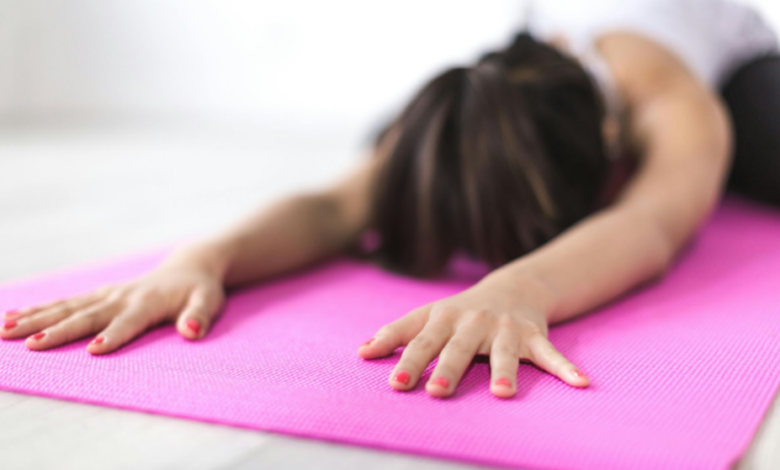
Introduction: Comfort Is Built, Not Chased
For a long time, I felt that making huge changes, like starting a new exercise, following a rigid schedule, or buying costly equipment, would make me feel better physically. When my body hurt or felt tight, I wanted to “fix everything at once.” What’s the problem? Those changes didn’t endure very long. I’d get tired, go back to my old ways, and feel bad again.
What eventually succeeded was something much quieter: modest, planned behaviours that I did every day. Small things, like how I sit, move, and relax, eventually changed how my body felt from day to day. As time went on, the pain got better, my energy got better, and I stopped feeling like I had to fight my body.
Being physically comfortable doesn’t mean being flawless. It’s about making your body feel safe enough to relax.
Why Little Changes Are More Important Than Big Fixes
Your body works best when things are the same, not when they are intense. One intensive stretch exercise won’t get rid of weeks of stress, but five minutes of moderate movement every day may.
Little habits succeed because they:
- Lower your stress before it turns into discomfort.
- Fit into everyday lives easily
- Are simpler to keep up with over time
- Teach your body that it is safe and supported.
You really persist with habits when they seem easy to do, and that’s when genuine change occurs.
Habit 1: Move slowly, but move a lot.
You don’t have to sweat or become tired to get results from moving. Gentle, regular exercise is typically healthier for joints, muscles, and posture, in fact.
I began with little things, like getting up every hour, extending my neck while waiting for the kettle to boil, and going for a stroll after dinner instead of lying down on the sofa. Those times stacked up.
Ideas that could help:
- Walks for a short time every day
- A little stretching in the morning or before bed
- Instead of high-impact workouts, do mobility exercises.
When exercise feels like care instead of punishment, your body reacts easily instead of fighting back.
Habit 2: Be aware of how you stand and sit
It’s not about sitting up straight; it’s about support and alignment. Slouching, leaning to one side, or craning your neck forward puts a little amount of stress on your body that builds up over time.
After I realised how frequently I bent over my phone or laptop, I began making modest changes, including elevating my screen, putting my feet flat, and relaxing my shoulders.
My neck strain became better over the course of weeks, not because of one large alteration, but because of hundreds of tiny ones.
How Professional Care Helps the Body
When pain or stiffness has already set in, habits alone may not be enough. Getting treatment from a specialist may help your body reset so that the changes you make stay.
When I went to XZ RMT Physio Clinic for back pain that wouldn’t go away, I learnt how effective tailored treatment could be. Instead of merely treating the symptoms, the goal was to figure out how to move and develop support again. That encounter changed my everyday routines for the better since my body didn’t have to work so hard to keep things in balance.
Many persons with spinal alignment or joint stiffness also find that frequent visits to a chiropractor Ajax help them move more naturally and ease persistent stress. When your body moves the way it should, the things you do every day start to help you instead than hurt you.
Habit 3: Think of rest as a skill, not a treat
We usually wait until we’re tired to take a break. The difficulty is that muscles that are weary don’t heal as quickly as those that are supported.
Resting on purpose means:
- Instead of browsing before bed, stretch.
- Taking small rests before the pain begins
- Putting sleep first is part of being healthy, not being lazy
I saw fewer flare-ups and more energy overall when I stopped pushing through pain and began resting early.
Habit 4: Lower the stress that shows up in your body when you have money problems.
Stress, not only activity, may make your body tense. Money stress, in particular, may make your shoulders, jaw, and lower back feel tight.
I saw how stressed I was all the time when I had to pay for things I didn’t anticipate. My body was always on edge, even when I wasn’t thinking about money. Some individuals look for short-term fixes, like a no credit check loan, to deal with immediate financial stress while they work to get their situation back on track. Having a temporary choice may help reduce mental pressure, even if it isn’t a long-term solution. That alleviation typically leads to physical relaxation.
Being purposeful is the most important thing. Make a strategy, ask for help when you need it, and do everything you can to avoid ambiguity.
Habit 5: Eat to give you energy, not to control it.
Food affects your body in many ways, not just how much you weigh. Not eating enough, eating too quickly, or depending on sugar surges may all make inflammation and stress worse.
Some little, helpful behaviours are:
- Eating on a regular basis
- Adding fibre and protein to meals
- Getting enough water
For some people, especially those dealing with metabolic challenges or medical conditions, exploring professionally guided options such as weight loss medications Guelph can provide structured support alongside healthy habits. When used responsibly and combined with lifestyle changes, these options can reduce physical strain and improve overall comfort.
I had fewer crashes in the afternoon and was less irritable once I stopped thinking of meals as an afterthought. A tranquil body comes from having stable energy.
Habit 6: Make your daily routines easy to follow.
Your nervous system likes things to be the same. Simple routines make muscles relax by letting them know they are secure.
Helpful habits:
- A regular time to get up and go to bed
- A quick stretch in the morning
- A breeze that calms you down at night-down
My sleep became better—and so did my bodily comfort—when I established even a loose schedule. My body understood when to move and when to sit still.
Habit 7: Pay Attention to Early Signals Instead of Ignoring Them
One of the major changes I made was to deal with pain right away instead of putting it off. Feeling tight, stiff, or tired is a message, not a sign of weakness.
Taking care of them early might mean:
- Instead of ignoring stiffness, stretch it out.
- Taking a break instead of “powering through”
- Getting aid before suffering becomes long-lasting
This behaviour alone stopped a lot of flare-ups.
Conclusion: Daily Respect Leads to Ease
Big alterations or improvements that happen suddenly don’t lead to lasting bodily ease. It builds up over time via practices that take care of your body’s demands and restrictions.
Your body starts to relax instead of tense up when you move slowly, take breaks on purpose, deal with stress in a smart way, and ask for help when you need it. This could be through professional care like XZ RMT Physio Clinic, alignment support from a chiropractor ajax, short-term financial help like a no credit check loan, or guided support such as weight loss medications Guelph when appropriate.
At the time, these behaviours may not seem important, but they change how your body feels, moves, and heals over time. And one day, you’ll discover something amazing: life seems easier—not because everything is flawless, but because your body finally feels like it can breathe.


