
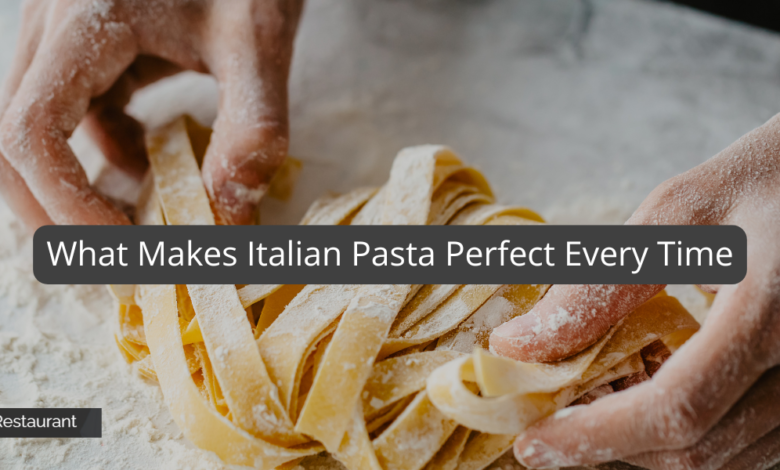
Perfect pasta texture starts long before you drain the pot. Most home cooks get the basics wrong, which is why their noodles end up sticky, mushy, or bland. Thankfully, Italians have perfected this process over generations, and the rules are simple once you know them.
That’s exactly why our cooking classes at FioreRestaurant always begin with pasta fundamentals. We’ve watched hundreds of students go from overcooked spaghetti to restaurant-quality meals in a single session. And these basics shape every Italian dish that follows.
So what will you learn here? This guide breaks down water ratios, salt levels, timing, and pasta shapes. You’ll also discover the common mistakes that ruin texture. By the end, you’ll cook pasta the way Italian chefs do.
Why Real Italian Food Starts with Quality Ingredients
When you start with the right flour, eggs, and salt, your pasta will taste great before you even add any sauces. Italians have known this for centuries, and it explains why real Italian food from scratch beats boxed noodles every time.
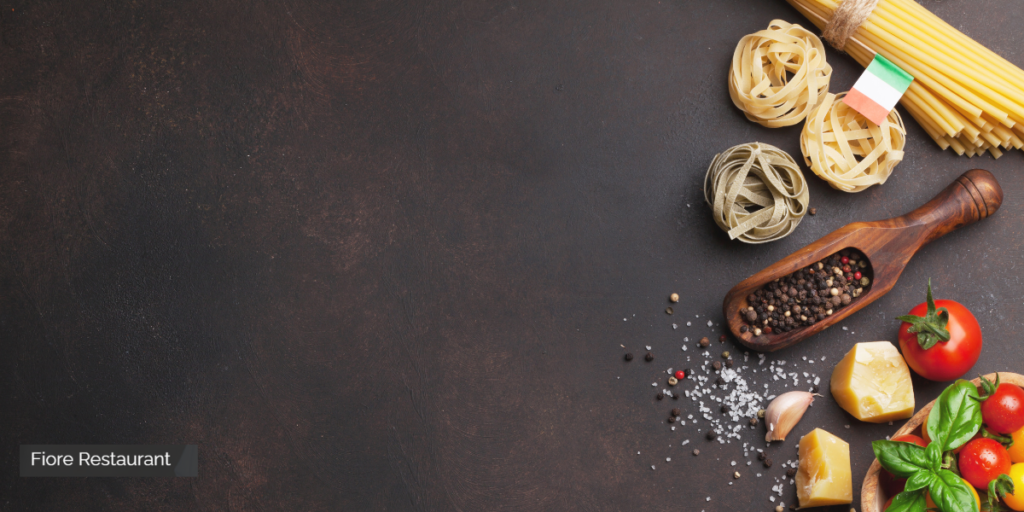
So where do you begin? With flour, of course!
Italian pasta uses either semolina flour or 00 flour, and each creates a different texture and bite. Semolina gives you that firm chew, while 00 flour produces a softer, silkier noodle. And frankly, most home cooks skip quality flour and wonder why their pasta tastes flat.
Your choice of liquid changes the flavor, too. Fresh eggs add richness and golden color to your dough, while water-based recipes stay lighter and chewier. Both work beautifully depending on the dish you want to create.
Also, don’t overlook olive oil and sea salt. A drizzle of good olive oil and a pinch of quality salt enhance the overall flavor before cooking even begins. These quality ingredients set the foundation for every Italian dish that follows.
Fresh Pasta vs Dried Pasta: When to Use Each
Ever wondered why some recipes call for fresh pasta while others stick with the boxed kind? The answer comes down to texture, cook time, and which sauces you plan to serve.
| Factor | Fresh Pasta | Dried Pasta |
| Cook time | 2-4 minutes | 8-12 minutes |
| Best sauces | Butter, cream, lighter sauces | Tomato sauces, hearty ragùs, olive oil |
| Texture | Tender, delicate | Firm, holds shape |
| Examples | Stuffed pastas, tagliatelle | Angel hair, penne, spaghetti |
The table above gives you the basics, but let’s break it down further. In our cooking classes, we’ve noticed students always ask when to use fresh versus dried. Here’s how we explain it.
Fresh pasta cooks fast and pairs best with butter, cream, or lighter sauces that won’t overpower its delicate texture. And according to Italian chefs, fresh noodles float to the top when ready, which makes timing easier.
Dried pasta works differently, though. Its firm bite holds up better with tomato sauces, hearty ragùs, and olive oil dressings because it can handle bold flavors without falling apart.
Shape selection also depends on which type you choose. Angel hair and thin spaghetti work well dried, while stuffed pastas like ravioli need fresh dough for flexibility. And since dried pasta stores for two years or more, it remains a staple in Italian kitchens across Italy.
Now, let’s look at why pasta shapes play just as big a role as freshness.
See also: Why Kiolopobgofit Important: The Health Benefits That You Should Know
Matching Pasta Shapes to Your Sauce
Italian grandmothers have matched specific pasta shapes to specific sauces for centuries, and there’s real logic behind it. The right pairing helps the sauce cling to every bite instead of pooling at the bottom of your dish.
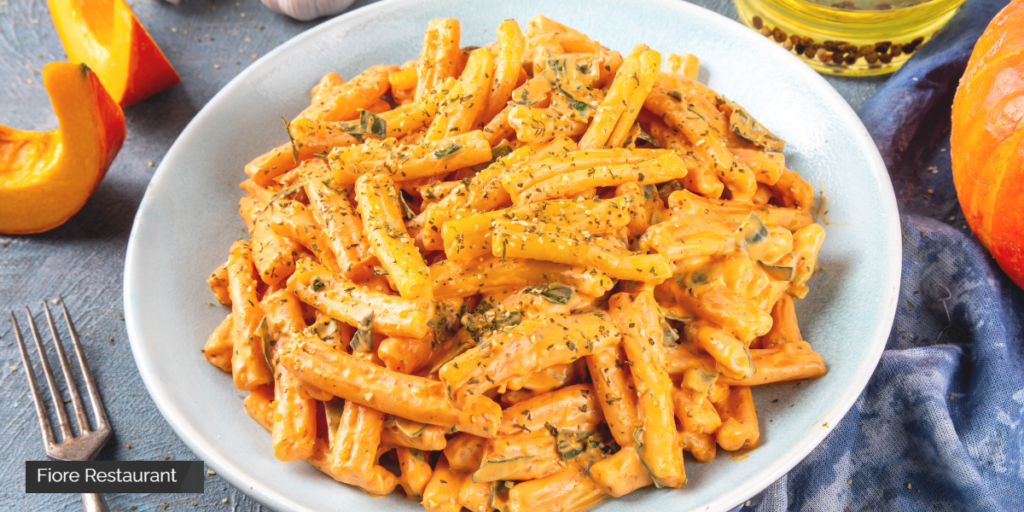
Let’s find out how different shapes work with different sauces.
Ridged and Tubular Shapes
Rigatoni and penne work best with chunky meat sauces and hearty ragùs. Why? Because those little grooves and hollow centers trap pieces of meat and vegetables instead of letting them slide off. Italians call these pasta corta, and they appear in traditional dishes across southern Italy.
Long Flat Noodles
Not every dish calls for short pasta, though. Fettuccine and linguine take a different approach. These long noodles cling to creamy sauces and butter-based recipes beautifully. The wide surface area gives lighter sauces something to hold onto, which is why carbonara tastes best on fettuccine rather than spaghetti.
Small Shapes for Soups and Salads
Then you have the tiny ones. Orzo and ditalini belong in soup and cold salads, not hearty sauces. Italians reserve these small pasta shapes for recipes where pasta plays a supporting role rather than the center of the plate.
Choosing the right shape completely changes how your sauce and noodles come together in every dish you serve.
Italian Cooking Secrets for Al Dente Every Time
Al dente pasta holds its shape, absorbs sauce better, and gives you that satisfying bite Italian chefs aim for in restaurants across Italy. Getting it right separates good Italian cooking from great.
Now, what does al dente actually mean?
The term translates to “to the tooth” in Italian, describing that slight firmness in the center when you bite down. Once you understand that exact texture, the next step is learning how to test for it. But the thing is, the package time is rarely accurate.
So, here’s a quick guide to how it actually works:
Pull out a piece of pasta, cut it in half, and look for a tiny white core. After years of teaching pasta fundamentals, we still believe that tasting the pasta yourself is the most reliable way to check. That white core disappears right when you hit al dente.
One more tip before you drain: Reserve one cup of starchy pasta water to adjust your sauce consistency later. This cooking water helps the sauce cling to your noodles without losing flavor.
How Italian American Kitchens Changed the Rules
Now that you know the Italian standard, it helps to see how American kitchens developed their own pasta traditions.
Simply put, Italian American cooks often prefer softer pasta than traditional al dente. Larger portions and hearty sauces in Italian American restaurants have shifted texture expectations over time. So dishes like lasagna work better with softer noodles that absorb more sauce during cooking.
Bottom line: Both styles suit different dishes. Italians expect that firm bite, while Italian American diners often enjoy softer textures. Knowing the difference helps you cook pasta to your preference.
3 Common Mistakes That Ruin Perfect Pasta
Avoiding a few simple errors keeps your pasta from turning gummy, bland, or slippery. These mistakes happen in kitchens everywhere, but they’re easy to fix once you know what to watch for.
First, rinsing pasta after draining washes away the starch that helps sauce cling to each strand (that’s a texture disaster waiting to happen).
Using a small pot causes trouble, too. Crowded noodles drop the water temperature and turn gummy. So remember to give your pasta room to move in boiling water.
There’s no way around this last one. Adding olive oil to your pot coats the pasta and blocks starch from sticking. When cooking pasta, you want starch on the surface so your sauce has something to grab onto.
Basically, if you’re looking for authenticity, we recommend skipping the oil entirely.
From Angel Hair to Rigatoni: Cook Italian Food at Home
Ready to bring everything together in your own kitchen? You now have the tools to do exactly that.
Perfect pasta comes from understanding water, timing, and pasta shape pairing. These basics apply to every Italian dish you create, from weeknight spaghetti to slow-cooked Sunday recipes.
Once you nail them, your meals start tasting like something from an Italian restaurant.


