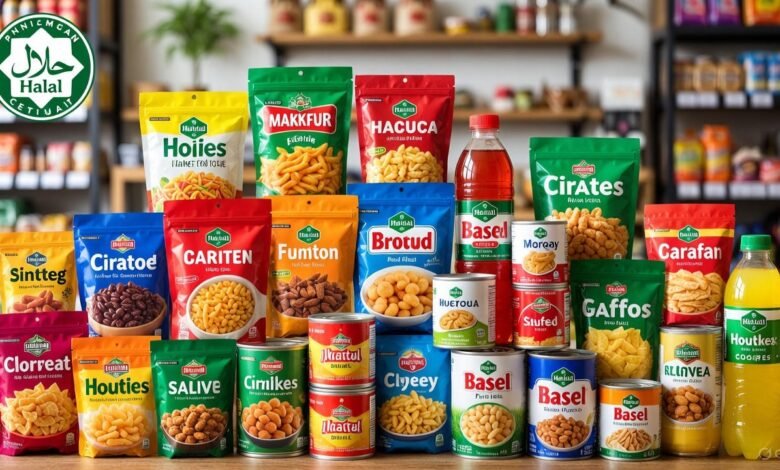
The global halal market represents one of the most dynamic and rapidly expanding consumer segments in the world today. With an estimated value exceeding $2 trillion annually and serving nearly two billion Muslims worldwide, halal certification has evolved from a niche religious requirement into a mainstream business imperative. For American companies looking to expand their reach and build lasting consumer trust, obtaining halal certification is no longer optional—it’s a strategic necessity.
Understanding the Halal Market Opportunity
The Muslim population in the United States alone has grown to approximately 3.5 million people, creating a substantial domestic market. However, the true opportunity lies in the global landscape. Countries like Indonesia, Pakistan, Bangladesh, Turkey, and the Middle Eastern nations represent massive consumer bases with increasing purchasing power and a strong preference for certified halal products.
What makes this market particularly attractive is the growing awareness and demand for halal products beyond traditional food categories. Consumers are now seeking halal-certified cosmetics, pharmaceuticals, personal care items, and even financial services. This expansion creates unprecedented opportunities for USA brands with halal certification to differentiate themselves in competitive marketplaces.
See also: How a Cleaner Pond Enhances Peace and Prosperity with Koi Fish
Building Trust Through Transparency
Consumer trust is the cornerstone of successful brand building, and halal certification provides a powerful trust signal. When products carry authentic halal certification, they communicate that a company respects Islamic dietary laws and ethical standards. This commitment resonates deeply with Muslim consumers who view purchasing decisions as extensions of their faith and values.
Beyond religious compliance, halal certification also signals quality assurance. The halal certification process involves rigorous inspection of ingredients, manufacturing processes, supply chains, and handling procedures. This comprehensive scrutiny often results in higher overall product standards that appeal to health-conscious consumers regardless of religious affiliation.
The Competitive Edge in International Markets
American businesses eyeing international expansion will find that halal certification opens doors that would otherwise remain closed. Many Muslim-majority countries have regulations requiring halal certification for imported food products and consumer goods. Without proper certification, companies face regulatory barriers, limited distribution channels, and reduced market access.
Moreover, halal personal branding has become a sophisticated marketing tool. Companies that authentically integrate halal principles into their brand identity often experience enhanced loyalty and positive word-of-mouth marketing within Muslim communities. This organic brand advocacy proves invaluable in markets where trust and community recommendations heavily influence purchasing decisions.
Practical Considerations for Certification
For businesses considering halal certification, understanding the process is essential. Halal certification private label brands have become increasingly common as retailers and manufacturers recognize the value proposition. Private label products with halal certification can command premium shelf space and pricing while building retailer credibility with diverse consumer segments.
One common misconception is that certification is prohibitively expensive. In reality, affordable halal certification USA options exist for businesses of all sizes. The investment in certification typically yields substantial returns through expanded market access and increased consumer confidence. Companies should view certification not as a cost but as a strategic investment in market positioning and revenue growth.
Navigating the Certification Process
The path to halal certification involves several key steps. First, businesses must identify reputable halal certification services that maintain recognition in target markets. Not all certifying bodies carry equal weight internationally, so selecting an organization with broad acceptance is crucial for maximizing market access.
The certification process typically begins with a comprehensive audit of ingredients, production facilities, and operational procedures. Certifying bodies examine everything from sourcing practices to equipment sanitation, ensuring no cross-contamination with non-halal substances occurs. This thorough approach guarantees product integrity and consumer confidence.
For small and medium-sized enterprises, finding low cost halal certification options can make the difference between market entry and missed opportunities. Many certification organizations offer tiered pricing structures based on company size, production volume, and complexity. These flexible arrangements make certification accessible to businesses at various growth stages.
Taking Action: The Application Process
Businesses ready to pursue certification should begin by researching their options and understanding market-specific requirements. The decision to apply for halal certification USA should align with broader business strategy and target market analysis. Companies should consider which products to certify first, particularly if offering diverse product lines, and prioritize items with the strongest market potential.
Preparation is key to a smooth certification experience. Businesses should compile comprehensive documentation about ingredients, suppliers, manufacturing processes, and quality control measures before initiating the formal application. This proactive approach expedites the certification timeline and demonstrates organizational commitment to halal standards.
Partner with Trusted Certification Bodies
Selecting the right certification partner significantly impacts both the process and the outcome. Halal Watch World has established itself as a trusted authority in halal certification, offering comprehensive services that help American businesses navigate the complexities of halal compliance. Their expertise spans multiple industries and international markets, providing companies with the guidance and credentials needed for successful market entry.
Working with experienced certification providers ensures that businesses not only achieve certification but also maintain ongoing compliance. Regular audits, updated documentation, and continued education about evolving halal standards protect brand reputation and consumer trust over the long term.
Conclusion: The Strategic Imperative
As global markets become increasingly interconnected and consumer expectations continue rising, halal certification represents a strategic advantage that forward-thinking American businesses cannot afford to ignore. The certification unlocks access to billions of consumers, builds authentic trust, and positions brands as respectful, quality-conscious market participants.
The halal advantage extends beyond compliance to become a powerful differentiator in crowded marketplaces. Companies that embrace halal certification today position themselves for sustainable growth, enhanced brand reputation, and meaningful connections with one of the world’s most influential consumer segments. In an era where authenticity and values-driven business practices matter more than ever, halal certification offers a clear pathway to global consumer trust and lasting business success.